Chasing Aurora: How to Track and Shoot the Northern Lights in -25°C
Updated: January 2026 | Arctic Field Manual | By Arctic Expedition Desk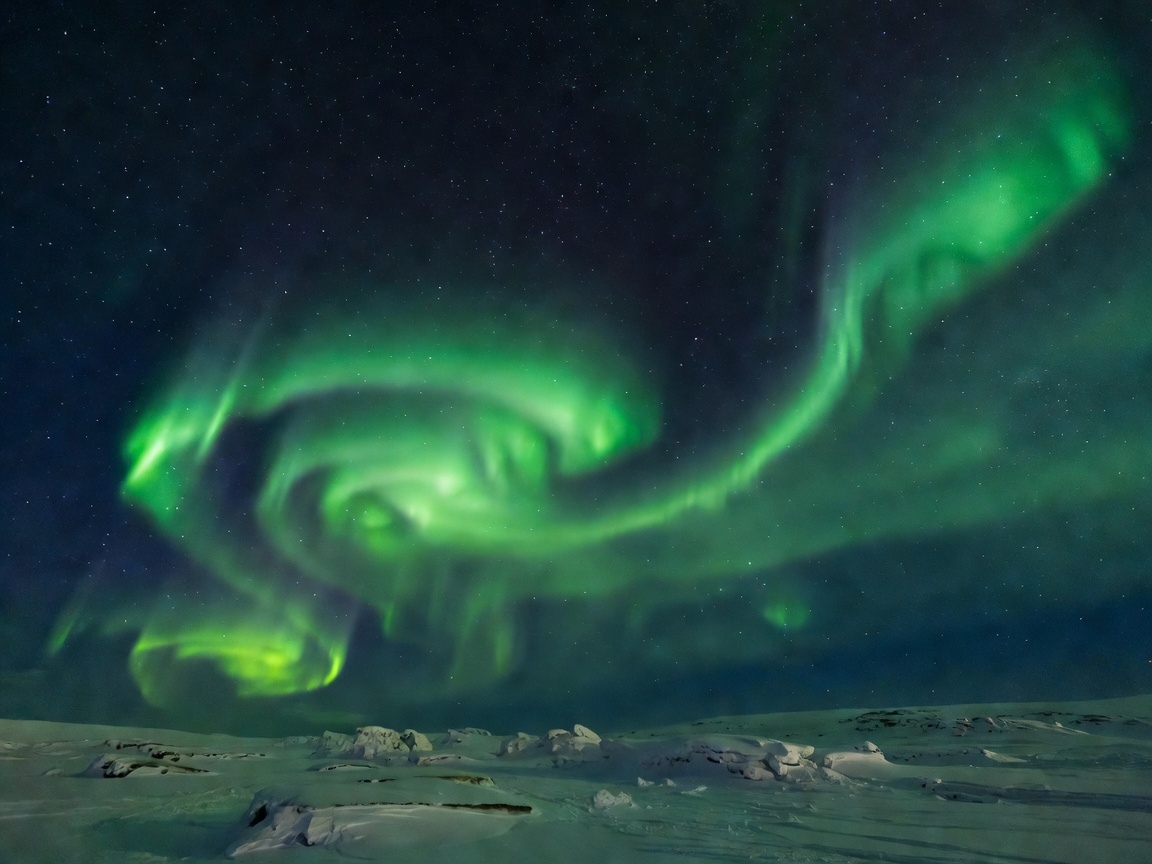
The Aurora Borealis is one of the grandest visual spectacles in nature, yet capturing it with camera sensors in freezing sub-zero conditions requires deliberate technical preparation. In temperatures dropping below -25°C, lithium-ion camera batteries deplete in minutes, tripods freeze solid, and warm breath instantly fogs and freezes across expensive front lens elements.
1. Reading Space Weather & Tracking the Auroral Oval
You cannot simply look at local weather apps; you must monitor solar wind telemetry measured by space weather satellites:
- Kp Index: A global geomagnetic index ranging from 0 to 9. In Arctic hubs like Tromsø, Abisko, or Fairbanks (located right inside the Auroral Oval), a Kp index of just 1 to 2 is enough for vibrant shows directly overhead.
- Bz Component: The orientation of the Interplanetary Magnetic Field (IMF). Look for a negative Bz (southward orientation), which allows solar winds to breach Earth's magnetosphere and trigger spectacular coronas.
- Solar Wind Speed: Speeds above 450 km/s deliver intense wave activity and rapid pulsating curtains of light.
2. Camera Settings for Crisp, Detailed Lights
Modern mirrorless or DSLR cameras with manual modes are essential. Smartphone night modes often over-smooth and blur fast-moving aurora ribbons.
- Aperture: Shoot wide open (f/1.4, f/1.8, or f/2.8) to let in maximum photons.
- ISO: Start between ISO 1600 and 3200. High-end modern full-frame sensors can comfortably handle ISO 6400 with minimal noise.
- Shutter Speed: For slow, faint glowing arcs, use 6 to 10 seconds. When the aurora is rapidly dancing and pulsing, shorten your shutter speed to 1.5 to 3 seconds to freeze individual curtain pillars rather than turning them into a blurry green smudge.
- Focus: Switch to Manual Focus (MF). Use 10x digital magnification on a bright star in your electronic viewfinder to nail pinpoint sharp infinity focus, then tape your focus ring down with gaffer tape.
3. Sub-Zero Battery and Equipment Survival
Extreme cold reduces battery capacity by up to 70%. Carry at least three spare batteries inside an interior coat pocket close to your chest heat. When a battery shows "empty" on camera, swap it into your warm inner pocket—body heat will revive its charge within 20 minutes.
When coming back indoors after shooting for hours in -20°C, never take your camera out of your zipped camera bag immediately. Condensation will instantly form inside cold electronics. Leave your gear zipped inside your insulated backpack in a cool hallway for at least 2 hours to warm up slowly.